Four coffee varieties. One island. Grown on the ancient biodiversity lands of indigenous communities. Processed at origin.
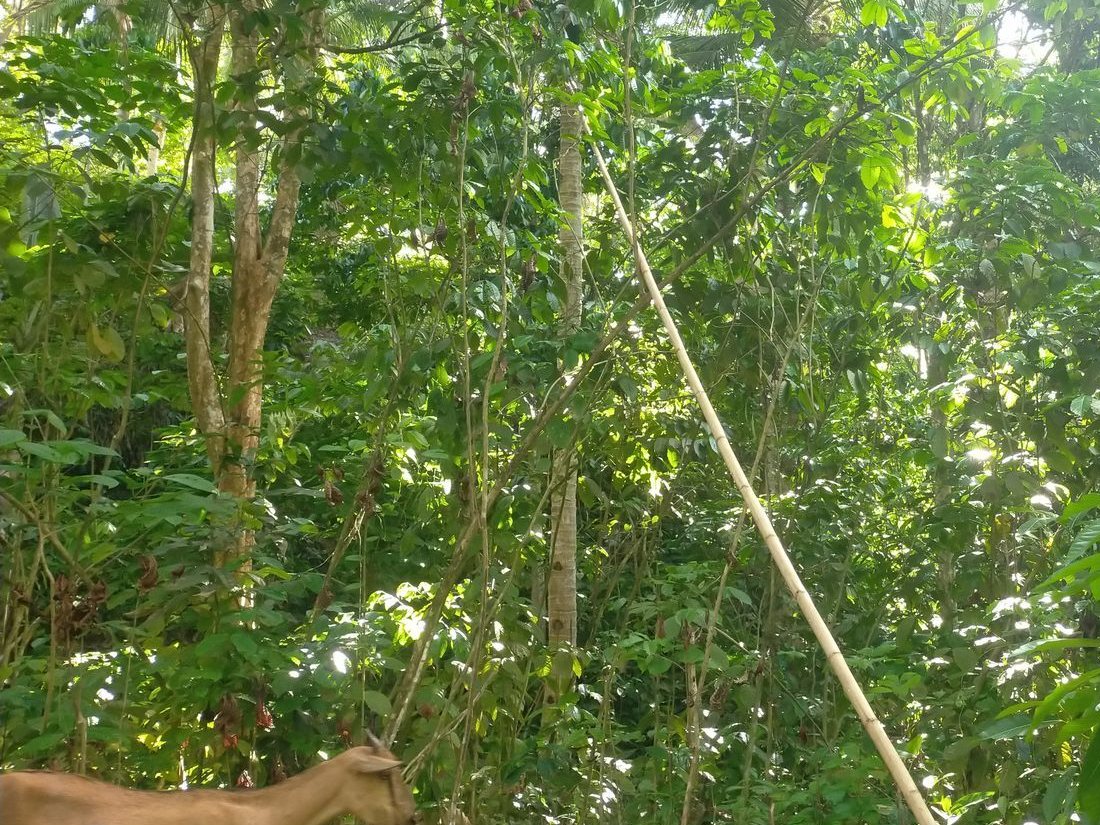
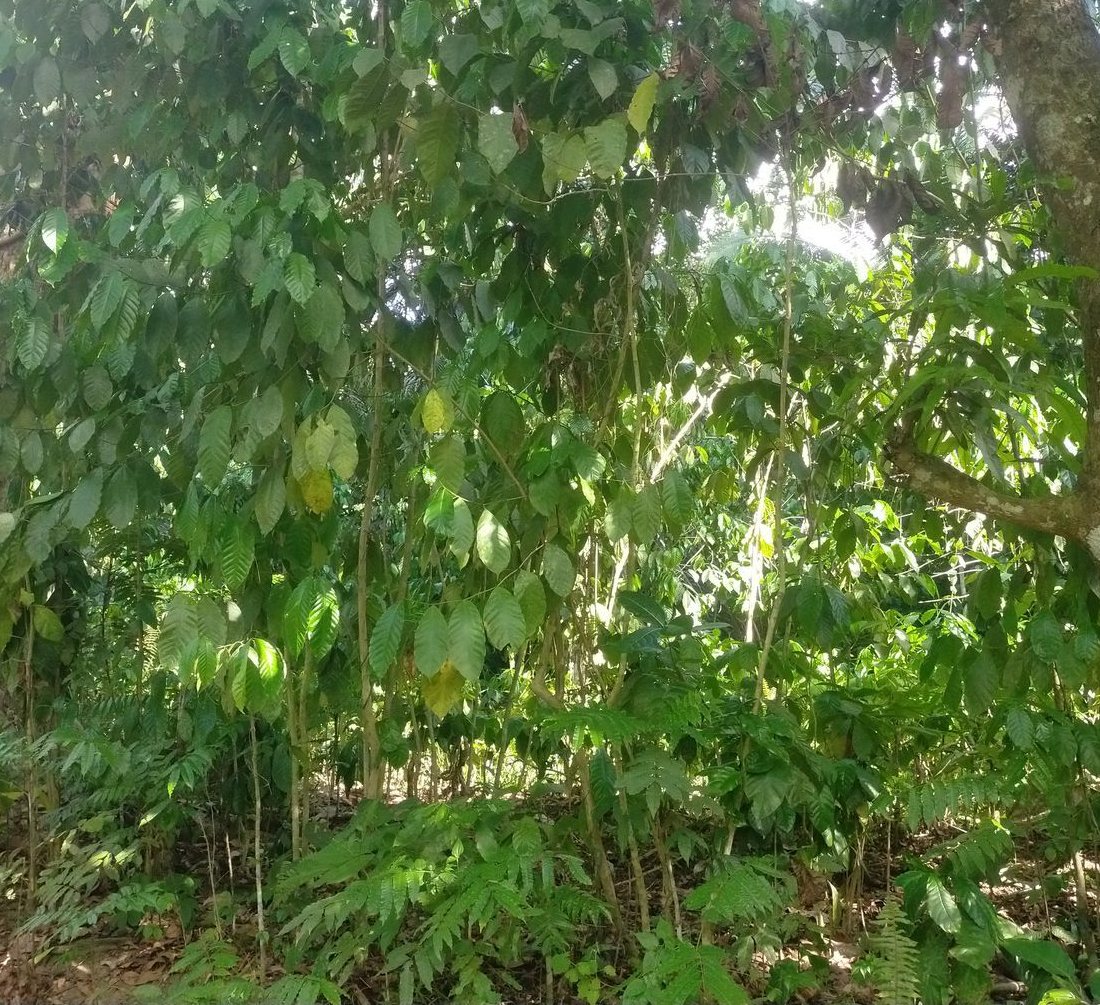
The Philippines is one of few countries that grows all four commercially traded coffee species. Mindoro's upland farms — shaded under coconut and banana canopy in mixed agroforestry systems — produce all four. Our processor in Roxas handles every one of them.
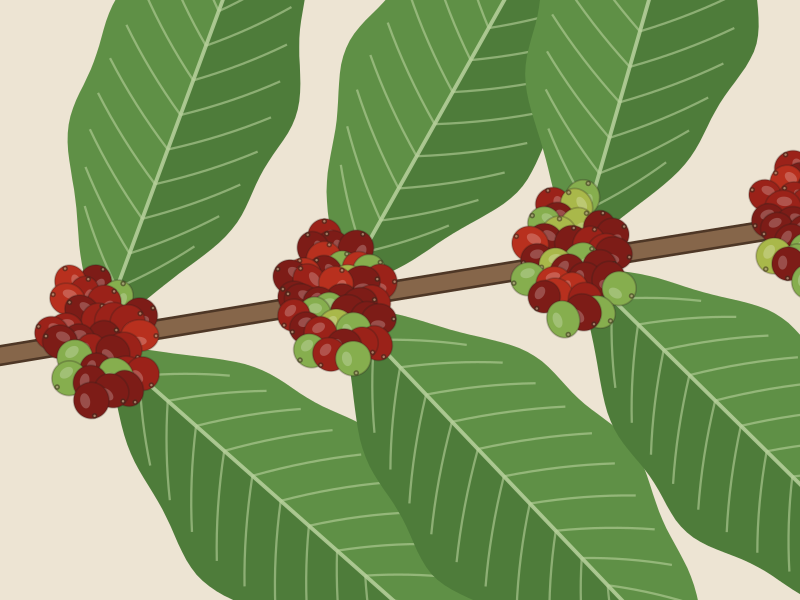
The workhorse. Bold, full-bodied, high-caffeine. Thrives in Mindoro's lowland heat. 25 farms across Bongabong, Roxas, and Mansalay supply our Robusta volume — the backbone of Philippine commercial coffee.
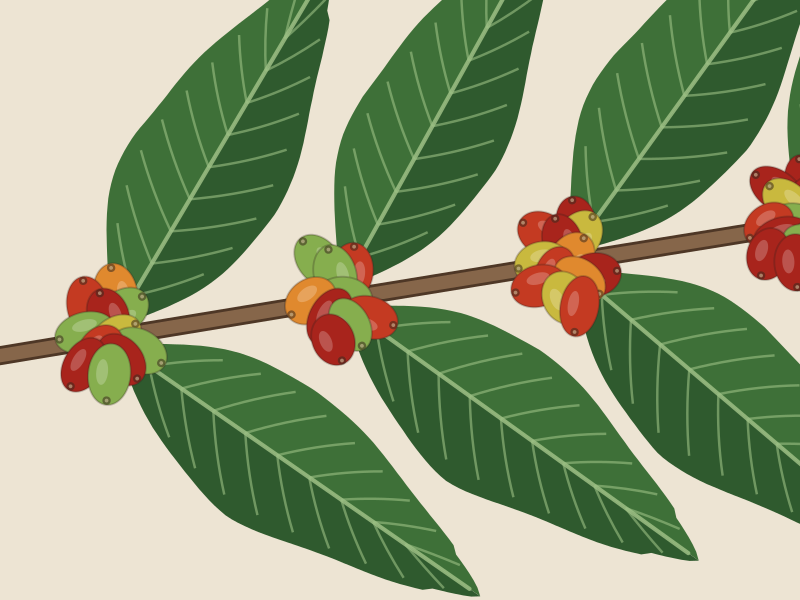
The specialty darling. Delicate acidity, complex flavor. Grown at elevation in Mindoro's cooler uplands. The island's volcanic soil and wet-dry seasonality produce an Arabica with a character distinct from Cordillera and Bukidnon origins.
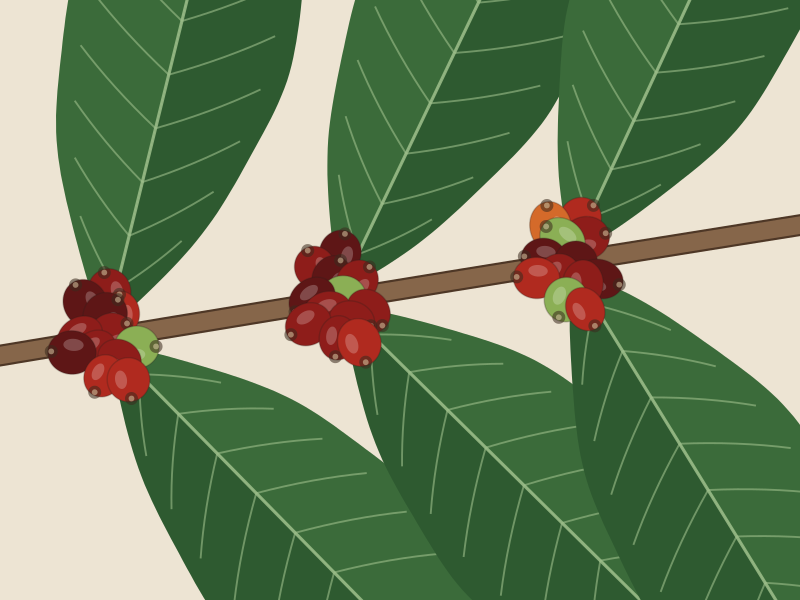
The wild card. Tart, fruity, with a dark roast complexity that Filipino households know as kapeng barako's gentler cousin. Rare globally. Thriving in MIMAROPA. We process it — most don't bother.
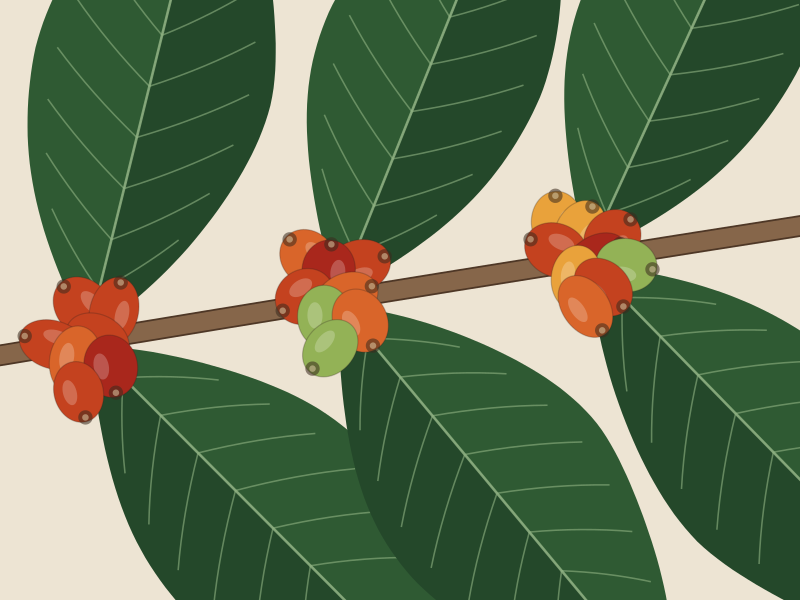
The giant. Smoky, woody, unmistakable. Massive cherries, bold flavor, almost extinct in world trade but alive in Philippine coffee culture. Sourced from Mansalay, dried and hulled at our facility. The rarest cup in your lineup.
Mindoro's coffee grows on indigenous ancestral domain — CADT-titled land held by Mangyan communities whose families have farmed these uplands for generations. The coffee isn't planted in cleared monoculture. It grows under canopy, between coconut palms and banana, in the mixed agroforestry systems that these communities have practiced long before the word "agroforestry" existed.
This isn't a sustainability story bolted on after the fact. The biodiversity is the farm. The forest is the field. And the indigenous stewardship that kept this landscape intact is the same stewardship that produces the coffee.
Oriental Mindoro sits in the MIMAROPA region — one of the Philippines' most biodiverse corridors, home to the tamaraw, the Mindoro bleeding-heart dove, and forest ecosystems that harbor species found nowhere else on earth.
Before us, coffee left Mindoro as dried cherries — shipped by boat to processors in Lipa, Batangas, where someone else captured the margin and controlled the quality. Farmers had no leverage. No visibility. No direct buyer relationship.
We built the processing link that was missing. Our facility in Roxas, Oriental Mindoro handles hulling, sorting, grading, and quality control — from fresh cherry to export-ready green bean — for all four species.
Mindoro Coffee isn't run from Manila. The founding team is on the ground in Oriental Mindoro — mapping farms, training processors, building buying station infrastructure, and working directly with STACO cooperative members and federation leadership.
We combine deep field presence with the commercial discipline to connect smallholder supply to serious buyers. Our team includes agronomists, field engineers, community development specialists, and commercial operators who've built supply chains across the Philippines.
If you're a roaster, trader, or institutional buyer looking for traceable Philippine-origin green bean — from all four species — talk to us. We're building the supply chain that should have existed decades ago.
Whether you're a specialty roaster, a commercial buyer, or an investor interested in Philippine-origin coffee — we'd like to hear from you.
lee@wovoka.io